
Development that lasts
Projects succeed when the people they serve help plan them, build them and look after them.
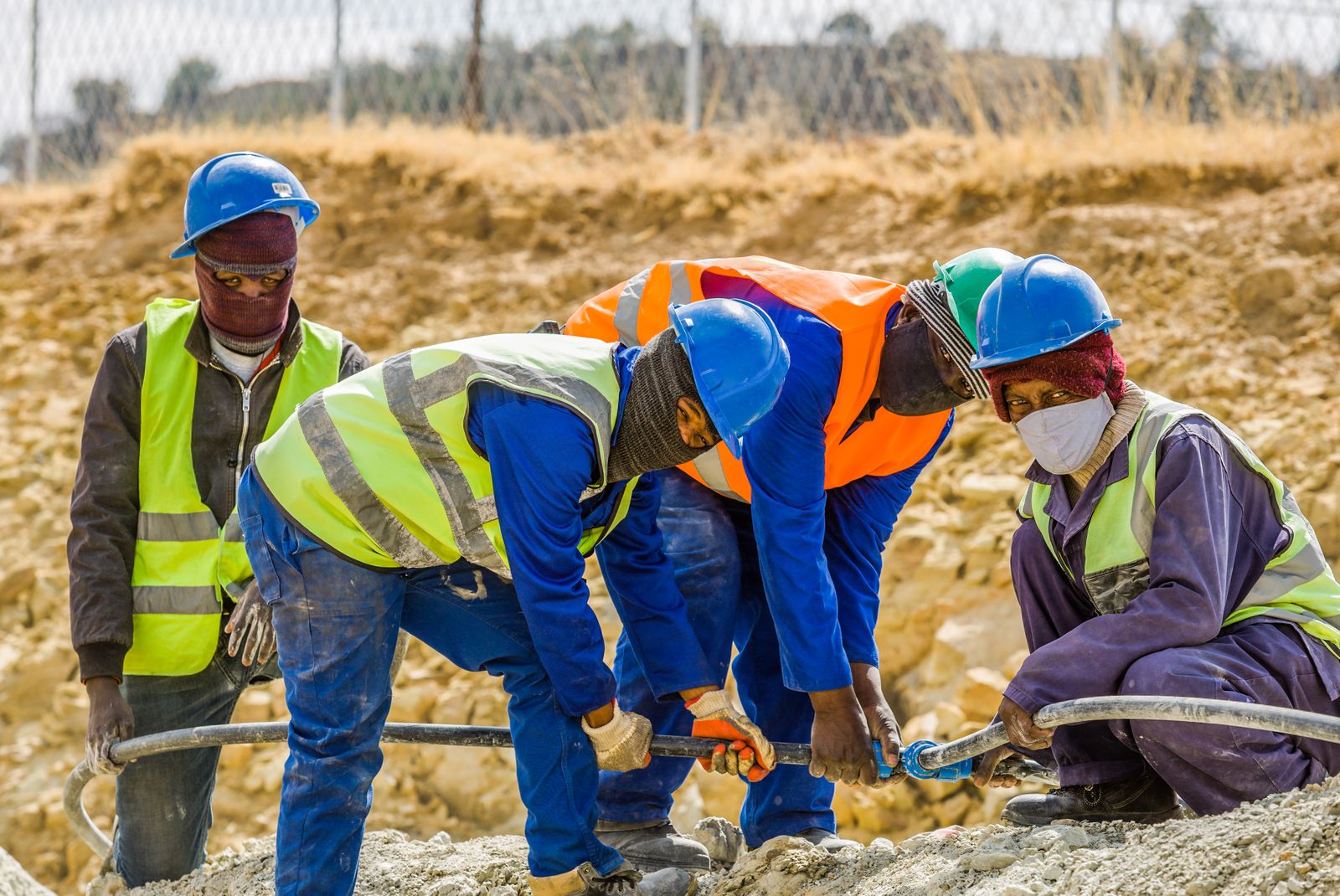
Most communities can point to a project that arrived with great ceremony and faded within a few years: a borehole that stopped pumping, a building that was never furnished, a road that washed out after the first heavy rains. The cause is rarely a lack of goodwill. More often, the people meant to benefit were not asked what they needed or how they would keep it running.
Ownership from the start
When a community helps choose a project, it has a stake in its success. When local people are hired to build it, skills stay behind when the work is done. When a committee is trained and trusted to manage it, small problems are fixed before they become large ones. Ownership is not a slogan; it is a practical plan for the years after the ribbon is cut.
Planning for the long run
Lasting development also means being honest about running costs. Every facility needs repairs, staff and supplies. Agreeing at the outset who will pay for these, and how, separates investments that endure from those that become monuments to good intentions.
The measure of a project is not the day it opens. It is whether it is still serving people ten years later.
Comments
No comments yet
Be the first to write something.
Leave a comment