
Water for every season
Rain-fed farming leaves growers at the mercy of the weather. Holding water where it falls gives them a second season and a steadier income.
When the rains decide
Across much of the country, a farmer's year is still set by the rains. When they come on time, fields are full and markets are busy. When they are late or short, a whole season's work can be lost in a few dry weeks. That uncertainty shapes everything, from what families choose to plant to whether young people see a future on the land at all.
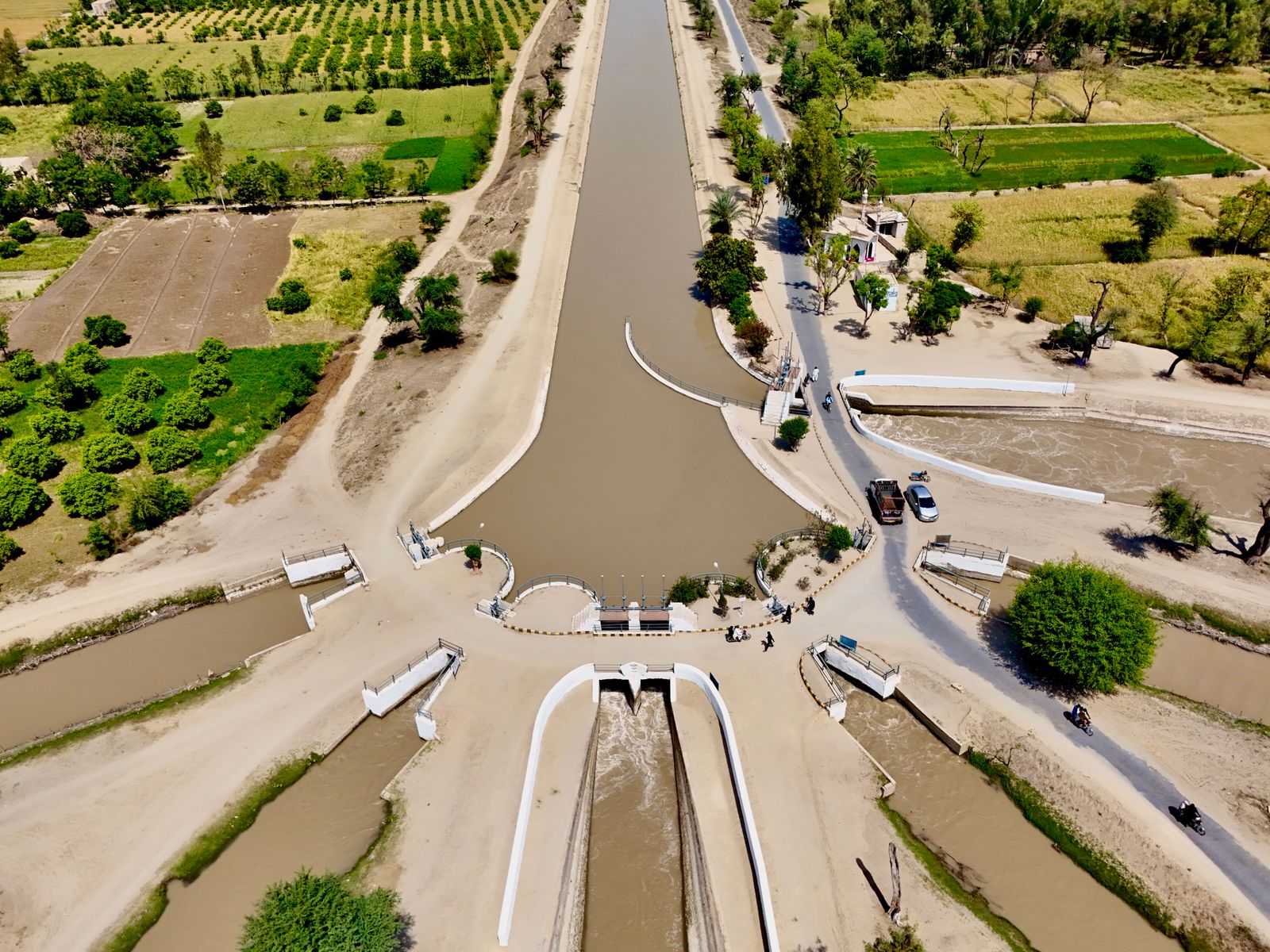
Water conservation changes the terms. Small dams, dugouts and inland valley schemes catch water during the wet months and hold it for the dry ones. A field that once produced a single crop a year can produce two, and sometimes three. The difference is not only in the harvest but in the confidence it brings: farmers can plan, borrow and invest when they know the water will be there.
Built with the community
The schemes that last are the ones communities help to shape. Local farmers know where water gathers after a storm, which plots flood and which paths cattle take to drink. When that knowledge guides the design, and when water user associations take responsibility for upkeep, the investment keeps paying back long after the contractors have left.
Maintenance is the quiet part of the story, but it decides how it ends. Clearing silt, repairing canals and agreeing fair rules for sharing water are what keep a scheme working year after year. Training and simple tools for that work cost little next to the price of rebuilding.
Holding water where it falls is one of the simplest ideas in agriculture. Done well, it is also one of the most powerful.
Comments
No comments yet
Be the first to write something.
Leave a comment